USB-A to HDMI-A Data & Power Cable
Official Store Deal
Expert Analysis Overview
The USB-A to HDMI-A Data & Power Cable is a specialized connectivity solution that often faces significant misinterpretation regarding its primary function, particularly concerning video output. This cable is not a universal adapter for transmitting video from a standard USB-A port directly to an HDMI display. Instead, its utility is confined to specific power delivery requirements or niche data transfer scenarios where a device's HDMI port might also function as a USB data interface.
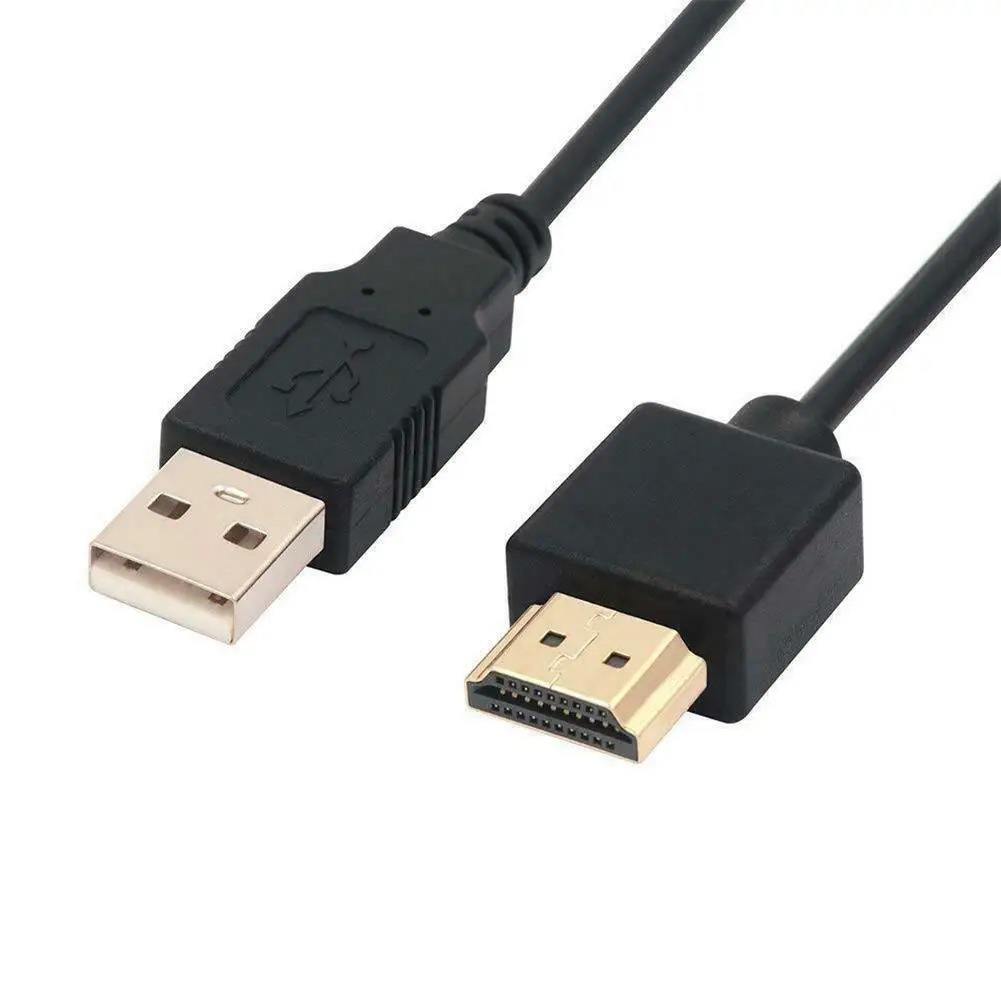
This cable features a standard USB-A male connector on one end and a standard HDMI-A male connector on the other. Both connectors exhibit a robust, molded plastic housing in a matte black finish, suggesting a basic level of durability for everyday handling. The USB-A connector itself is silver-plated, a common practice to resist corrosion and ensure consistent electrical contact. The HDMI-A connector, meanwhile, shows gold-plated contacts, which are often employed to improve signal conductivity and reduce oxidation over time. These are standard connector types. The cable length is approximately 50cm (19.7in), indicating its design for close-range connections or minimal cable management. Its compact length offers convenience.
Understanding the fundamental protocols of USB and HDMI is critical when evaluating this cable. A passive cable, like the one presented, simply connects the pins of one connector to the pins of the other. For standard video transmission, a USB-A port (which typically carries data and power) does not natively output a video signal in a format directly compatible with an HDMI input. Unlike USB-C, which supports DisplayPort Alt Mode for direct video output, USB-A lacks this inherent capability. This means that a passive USB-A to HDMI-A cable cannot, by itself, convert a USB data signal into an HDMI video signal. The connection remains physical. Such a cable is fundamentally different from active converters that contain internal chipsets to perform signal conversion, which are typically larger and significantly more expensive. Users expecting plug-and-play video from a laptop's USB-A port to a monitor's HDMI input will find this cable does not meet that expectation.
Images associated with this product explicitly claim "Audio and video synchronization transmission," even depicting a PC tower connected to a television. This claim requires careful scrutiny. For a passive USB-A to HDMI-A cable, standard audio and video output from a computer's USB-A port to an HDMI display is generally not possible without a specialized, active converter. The implication that this simple cable can bridge the gap between a standard USB data port and a standard HDMI video input for display purposes is misleading for the vast majority of consumer electronics. While some highly specific, proprietary devices *might* utilize an HDMI port for a non-standard data or video output that happens to be compatible with a USB-A source, these are exceptions, not the rule. The general user experience with such a cable for video will likely be one of non-functionality. It is a critical distinction to make.
Where this cable *can* find legitimate application is in power delivery. Many smart devices, such as streaming sticks, small media players, or even some proprietary embedded systems, might draw power from a USB-A port but utilize an HDMI-shaped port for power input rather than data. For instance, some older HDMI-enabled devices might have a dedicated HDMI port designed to receive 5V power from a TV's USB port, bypassing the need for an external power adapter. This cable could facilitate such a connection, providing a convenient and clutter-free power solution. The cable's construction appears adequate for low-power current transmission. It offers a straightforward power link. The flexible PVC outer jacket helps protect internal conductors from minor abrasions and bending stresses, ensuring consistent power flow. This application leverages the USB-A port's inherent power output capability.
The cable itself is a standard black flexible cord, indicating a PVC or similar rubberized jacket. This material provides adequate protection against everyday wear and tear, offering flexibility without being overly rigid. Such construction is typical for budget-friendly cables designed for moderate use. The molded strain relief at both connector ends is a crucial design element, helping to prevent the cable from fraying or breaking where it meets the connector housing. This small detail significantly extends the lifespan of the cable by mitigating stress on the internal wires during bending and pulling. The visible copper-colored contacts within the HDMI connector suggest standard material usage. This is a common and practical design.
With its 50cm (19.7in) length, this cable is best suited for scenarios where devices are in close proximity. This short length minimizes signal degradation, which is particularly relevant for any data or power transmission. It also reduces cable clutter in compact setups, such as connecting a small device to a TV mounted on a wall. The lightweight nature of the cable ensures it won't add unnecessary strain to ports or devices. Its small footprint makes it highly portable. Unlike longer, bulkier cables that can become tangled or cumbersome, this shorter option promotes a tidier workspace and easier transport. The compact design enhances usability.
Given the technical limitations for general video, the true value of this cable lies in its highly specialized applications. Consider devices like certain diagnostic tools, older media players, or custom embedded systems that have unique power input requirements through an HDMI-shaped port, or perhaps a non-standard USB-A port on a display that outputs an HDMI-compatible signal for a very specific accessory. For these niche scenarios, this cable could be an indispensable, cost-effective solution. It fills a very specific gap. Its existence caters to the less common hardware configurations that require this particular connector combination. The cable acts as a bridge for these uncommon setups.
At a price point of approximately $3.30 USD, this cable represents a highly economical option. For users with the precise, non-standard requirement that this cable genuinely fulfills, it offers significant value by providing a low-cost solution to a potentially complex connectivity problem. However, for those mistakenly purchasing it as a generic USB-to-HDMI video adapter, the perceived value will be zero, as it will fail to perform the intended function. This highlights the importance of understanding its limitations before purchase. The low price point makes it an accessible option for its intended niche. It prevents overspending on a more complex active converter when a passive solution is all that is truly required for a specific device. This is a budget-friendly choice.
This USB-A to HDMI-A cable, while not a universal video solution, stands as a testament to specialized connectivity. Its focused design caters to unique power delivery or data transfer needs that deviate from conventional uses. Imagine seamlessly integrating a niche smart device into your setup, powered directly from a USB port through an HDMI-shaped input, eliminating bulky power bricks and simplifying your cable management. This cable offers that streamlined experience for the right application, ensuring your specific hardware configurations are met with an efficient and economical link.
Decoding the Connectivity Enigma
The Physical Interconnects
This cable features a standard USB-A male connector on one end and a standard HDMI-A male connector on the other. Both connectors exhibit a robust, molded plastic housing in a matte black finish, suggesting a basic level of durability for everyday handling. The USB-A connector itself is silver-plated, a common practice to resist corrosion and ensure consistent electrical contact. The HDMI-A connector, meanwhile, shows gold-plated contacts, which are often employed to improve signal conductivity and reduce oxidation over time. These are standard connector types. The cable length is approximately 50cm (19.7in), indicating its design for close-range connections or minimal cable management. Its compact length offers convenience.
The Passive Limitation
Understanding the fundamental protocols of USB and HDMI is critical when evaluating this cable. A passive cable, like the one presented, simply connects the pins of one connector to the pins of the other. For standard video transmission, a USB-A port (which typically carries data and power) does not natively output a video signal in a format directly compatible with an HDMI input. Unlike USB-C, which supports DisplayPort Alt Mode for direct video output, USB-A lacks this inherent capability. This means that a passive USB-A to HDMI-A cable cannot, by itself, convert a USB data signal into an HDMI video signal. The connection remains physical. Such a cable is fundamentally different from active converters that contain internal chipsets to perform signal conversion, which are typically larger and significantly more expensive. Users expecting plug-and-play video from a laptop's USB-A port to a monitor's HDMI input will find this cable does not meet that expectation.
Signal Transmission: Fact Versus Expectation
Audio-Visual Claims Under Scrutiny
Images associated with this product explicitly claim "Audio and video synchronization transmission," even depicting a PC tower connected to a television. This claim requires careful scrutiny. For a passive USB-A to HDMI-A cable, standard audio and video output from a computer's USB-A port to an HDMI display is generally not possible without a specialized, active converter. The implication that this simple cable can bridge the gap between a standard USB data port and a standard HDMI video input for display purposes is misleading for the vast majority of consumer electronics. While some highly specific, proprietary devices *might* utilize an HDMI port for a non-standard data or video output that happens to be compatible with a USB-A source, these are exceptions, not the rule. The general user experience with such a cable for video will likely be one of non-functionality. It is a critical distinction to make.
Power Delivery Scenarios
Where this cable *can* find legitimate application is in power delivery. Many smart devices, such as streaming sticks, small media players, or even some proprietary embedded systems, might draw power from a USB-A port but utilize an HDMI-shaped port for power input rather than data. For instance, some older HDMI-enabled devices might have a dedicated HDMI port designed to receive 5V power from a TV's USB port, bypassing the need for an external power adapter. This cable could facilitate such a connection, providing a convenient and clutter-free power solution. The cable's construction appears adequate for low-power current transmission. It offers a straightforward power link. The flexible PVC outer jacket helps protect internal conductors from minor abrasions and bending stresses, ensuring consistent power flow. This application leverages the USB-A port's inherent power output capability.
Constructive Durability and Ergonomics
Cable and Connector Build
The cable itself is a standard black flexible cord, indicating a PVC or similar rubberized jacket. This material provides adequate protection against everyday wear and tear, offering flexibility without being overly rigid. Such construction is typical for budget-friendly cables designed for moderate use. The molded strain relief at both connector ends is a crucial design element, helping to prevent the cable from fraying or breaking where it meets the connector housing. This small detail significantly extends the lifespan of the cable by mitigating stress on the internal wires during bending and pulling. The visible copper-colored contacts within the HDMI connector suggest standard material usage. This is a common and practical design.
Form Factor and Handling
With its 50cm (19.7in) length, this cable is best suited for scenarios where devices are in close proximity. This short length minimizes signal degradation, which is particularly relevant for any data or power transmission. It also reduces cable clutter in compact setups, such as connecting a small device to a TV mounted on a wall. The lightweight nature of the cable ensures it won't add unnecessary strain to ports or devices. Its small footprint makes it highly portable. Unlike longer, bulkier cables that can become tangled or cumbersome, this shorter option promotes a tidier workspace and easier transport. The compact design enhances usability.
Navigating Niche Applications
Specialized Device Integration
Given the technical limitations for general video, the true value of this cable lies in its highly specialized applications. Consider devices like certain diagnostic tools, older media players, or custom embedded systems that have unique power input requirements through an HDMI-shaped port, or perhaps a non-standard USB-A port on a display that outputs an HDMI-compatible signal for a very specific accessory. For these niche scenarios, this cable could be an indispensable, cost-effective solution. It fills a very specific gap. Its existence caters to the less common hardware configurations that require this particular connector combination. The cable acts as a bridge for these uncommon setups.
The Budgetary Consideration
At a price point of approximately $3.30 USD, this cable represents a highly economical option. For users with the precise, non-standard requirement that this cable genuinely fulfills, it offers significant value by providing a low-cost solution to a potentially complex connectivity problem. However, for those mistakenly purchasing it as a generic USB-to-HDMI video adapter, the perceived value will be zero, as it will fail to perform the intended function. This highlights the importance of understanding its limitations before purchase. The low price point makes it an accessible option for its intended niche. It prevents overspending on a more complex active converter when a passive solution is all that is truly required for a specific device. This is a budget-friendly choice.
This USB-A to HDMI-A cable, while not a universal video solution, stands as a testament to specialized connectivity. Its focused design caters to unique power delivery or data transfer needs that deviate from conventional uses. Imagine seamlessly integrating a niche smart device into your setup, powered directly from a USB port through an HDMI-shaped input, eliminating bulky power bricks and simplifying your cable management. This cable offers that streamlined experience for the right application, ensuring your specific hardware configurations are met with an efficient and economical link.