Universal Motherboard RGB/ARGB Sync Splitter Cable
Official Store Deal
Expert Analysis Overview
Optimizing Your Build: The Ergonomics of Cable Management and Connectivity
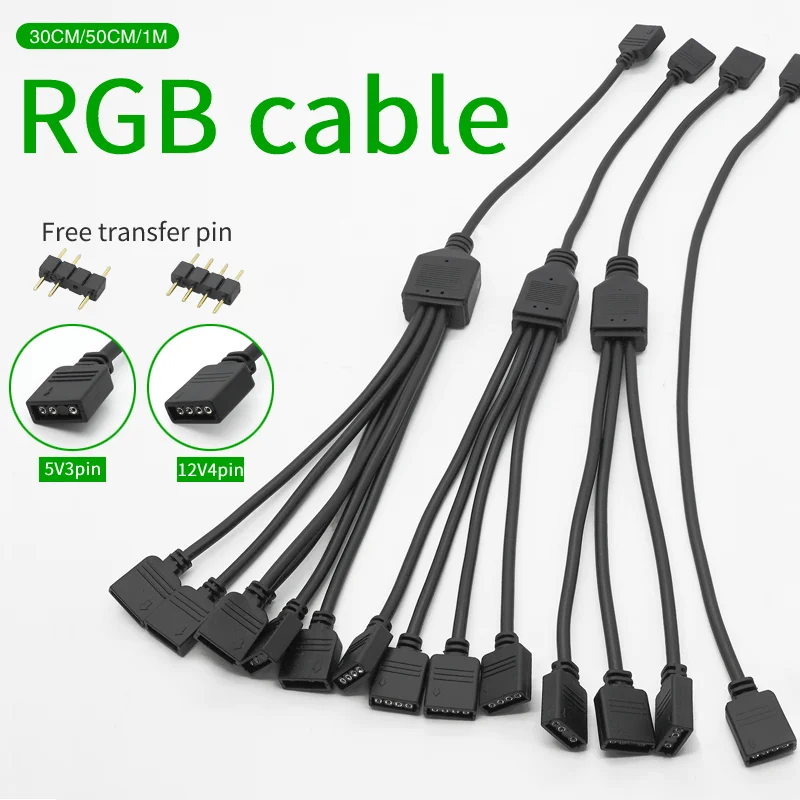
The Universal Motherboard RGB/ARGB Sync Splitter Cable is a critical component designed for PC builders and enthusiasts seeking to expand their system's aesthetic lighting capabilities efficiently. This device acts as a central hub, allowing multiple RGB or ARGB lighting components to synchronize with a single motherboard header. Its design directly addresses the common challenge of limited motherboard connectivity, providing a streamlined solution for complex lighting setups.
From an ergonomic perspective, the proper management of internal PC cabling is paramount. Disorganized cables can obstruct airflow, complicate future upgrades, and create frustrating installation experiences. This splitter cable, with its various fan-out configurations, directly contributes to a more organized internal environment. A clean build reduces the need for awkward reaching or straining during component installation or maintenance.
Unlike simply daisy-chaining components, which can sometimes lead to signal degradation or power issues, a dedicated splitter distributes the signal more effectively. This approach ensures consistent lighting performance across all connected devices. The robust construction of these cables also minimizes the risk of accidental disconnections, a frequent source of frustration during system assembly.
The Foundation of Flexible Illumination: Connector Versatility
The core strength of this splitter lies in its dual compatibility. It supports both 12V 4-pin RGB and 5V 3-pin ARGB standards. This versatility means builders do not need to purchase separate splitters for different lighting technologies within their system.
Traditional 12V RGB systems illuminate all LEDs on a strip or device with a single, uniform color. This is a simpler, older standard still prevalent in many fans and light strips. Understanding this distinction is crucial for compatibility. Incorrect connections can lead to component damage.
Addressable RGB (ARGB) operates on a 5V signal and allows for individual control of each LED. This enables intricate lighting patterns, dynamic animations, and more sophisticated visual effects. Modern PC builds increasingly feature ARGB components, making a compatible splitter an essential tool for maximizing their potential. The ability to manage both types of headers with a single product line simplifies inventory for builders and reduces potential confusion.
Streamlined Installation: A Builder's Comfort
The installation process for PC components can often involve contorting hands into tight spaces, leading to wrist strain or repetitive stress. The flexible nature of these splitter cables directly mitigates such ergonomic challenges. Their pliability allows for easier routing around obstacles within the PC case.
Consider a scenario where a user needs to connect five ARGB fans to a single motherboard header. Without a splitter, this would involve complex daisy-chaining or the purchase of a dedicated, often larger, ARGB controller. The splitter simplifies this by providing multiple connection points from a single input. This reduces the number of individual cable manipulations required.
The included free transfer pins further enhance the ease of installation. These small, often overlooked components ensure a secure and stable connection between the splitter and the lighting devices. A firm connection prevents accidental dislodging, which can be particularly frustrating in a fully built system where re-accessing components is difficult. The tactile feedback of a secure connection provides confidence during the build process, minimizing the need for repeated adjustments.
Preventing Component Strain and Enhancing Longevity
Over-tensioned cables are a silent killer of PC components. When cables are pulled taut, they exert undue pressure on motherboard headers, fan connectors, and LED strip terminals. This constant strain can lead to bent pins, cracked solder joints, or even damaged ports over time.
This splitter cable, by providing ample length and multiple connection points, allows for slack in the cable runs. This slack is vital for preventing stress on the delicate pins of motherboard headers. A relaxed cable configuration ensures that the connection points are not under constant mechanical load. This contributes significantly to the long-term reliability of both the motherboard and the connected lighting devices.
The durable PVC insulation visible on the cables offers a layer of protection against abrasion and minor nicks. In the confined space of a PC case, cables often rub against metal edges or other components. This robust outer layer helps maintain the integrity of the internal wiring, preventing potential shorts or signal interruptions. Investing in quality cabling, even for aesthetic components, safeguards the entire system.
Aesthetic Harmony and Maintenance Ease
Beyond raw functionality, the visual appeal of a PC build is a significant consideration for many enthusiasts. Cluttered cables detract from a clean aesthetic and can make troubleshooting or future upgrades a nightmare. The splitter facilitates a much tidier appearance.
By consolidating multiple lighting connections into a single, organized cable path, the splitter reduces the visual "spaghetti" inside the case. This clean look is not just for show; it has practical benefits. When all cables are neatly routed, identifying specific connections for maintenance or upgrades becomes significantly simpler. This ease of access saves time and reduces the frustration often associated with working on a dense PC interior.
Imagine needing to replace a single RGB fan in a system with poorly managed cables. The effort involved in untangling and re-routing can be substantial. With a splitter, the connections are clearly defined and often grouped, making individual component swaps much less arduous. This foresight in cable management translates directly into a more pleasant long-term ownership experience.
The Value Proposition: More Than Just a Cable
At a price point around 1.03 USD, this splitter cable represents an exceptional value proposition. Compared to the cost of a dedicated RGB/ARGB controller, which can range from
5 to $50 or more, this simple cable provides a highly cost-effective solution for expanding lighting connectivity.
The "cost-per-use" for such a component is extremely low, given its durable construction and the permanent utility it provides. It prevents the need for more expensive motherboard upgrades solely for additional RGB/ARGB headers. This strategic investment allows builders to allocate their budget to core performance components, while still achieving their desired aesthetic.
Unlike generic, unbranded cables that might suffer from poor manufacturing tolerances or inferior materials, the visible quality of these connectors suggests a reliable product. The inclusion of transfer pins, often sold separately, adds to the overall value. This attention to detail ensures that the product is ready for immediate and effective use upon arrival.
For new builders, understanding how these cables integrate into the broader RGB ecosystem is key. Once connected, the lighting effects are controlled via the motherboard's proprietary software. This includes popular suites like ASUS Aura Sync, GIGABYTE RGB Fusion, MSI Mystic Light Sync, and ASRock Polychrome Sync.
These software platforms allow users to customize colors, patterns, and synchronization across all compatible components. The splitter merely provides the physical connection; the intelligence for the lighting effects resides in the motherboard and its software. This means the user experience for lighting control is consistent with their motherboard's ecosystem.
The seamless integration facilitated by these splitters ensures that all connected devices respond in unison to software commands. This creates a cohesive and immersive lighting experience, rather than a collection of disparate, unsynchronized lights. The simplicity of this setup makes advanced lighting effects accessible to a wider audience.
While highly beneficial, it is important to acknowledge certain considerations. The primary concern revolves around voltage compatibility. Connecting a 12V RGB device to a 5V ARGB header, or vice versa, will inevitably lead to irreversible damage. Users must meticulously verify the voltage and pin configuration of both their motherboard headers and their lighting components. This is not a flaw of the splitter itself, but a critical user responsibility.
Another aspect is the potential for cable length management. While the availability of 30cm, 50cm, and 1M options provides flexibility, selecting the appropriate length is crucial. An excessively long cable can add to internal clutter, even with a splitter. Conversely, a cable that is too short will negate the ergonomic benefits of easy routing and can lead to tension on connectors. Careful planning of cable runs is always recommended.
Finally, while splitters are excellent for expanding connectivity, they do not increase the power output of the motherboard header. Overloading a single header with too many high-draw devices can lead to flickering, dimming, or even damage to the motherboard. Users should always consult their motherboard manual for the maximum current rating of their RGB/ARGB headers. This is a limitation inherent to motherboard design, not the splitter.
Imagine a PC interior where every component glows in perfect synchronization, creating a visually stunning and personalized workspace. Cables are neatly tucked away, airflow is unimpeded, and the entire system operates with quiet efficiency. This splitter cable is a foundational element in achieving such a refined build. It removes the limitations of motherboard headers, empowering you to fully express your aesthetic vision without compromising on organization or component longevity. The ease of installation and the robust connections ensure that your lighting setup remains vibrant and reliable for years to come, making every interaction with your PC a visually engaging experience.
The "cost-per-use" for such a component is extremely low, given its durable construction and the permanent utility it provides. It prevents the need for more expensive motherboard upgrades solely for additional RGB/ARGB headers. This strategic investment allows builders to allocate their budget to core performance components, while still achieving their desired aesthetic.
Unlike generic, unbranded cables that might suffer from poor manufacturing tolerances or inferior materials, the visible quality of these connectors suggests a reliable product. The inclusion of transfer pins, often sold separately, adds to the overall value. This attention to detail ensures that the product is ready for immediate and effective use upon arrival.
Understanding the Ecosystem: Motherboard Sync Software
For new builders, understanding how these cables integrate into the broader RGB ecosystem is key. Once connected, the lighting effects are controlled via the motherboard's proprietary software. This includes popular suites like ASUS Aura Sync, GIGABYTE RGB Fusion, MSI Mystic Light Sync, and ASRock Polychrome Sync.
These software platforms allow users to customize colors, patterns, and synchronization across all compatible components. The splitter merely provides the physical connection; the intelligence for the lighting effects resides in the motherboard and its software. This means the user experience for lighting control is consistent with their motherboard's ecosystem.
The seamless integration facilitated by these splitters ensures that all connected devices respond in unison to software commands. This creates a cohesive and immersive lighting experience, rather than a collection of disparate, unsynchronized lights. The simplicity of this setup makes advanced lighting effects accessible to a wider audience.
Addressing Potential Considerations: Strategic Transparency
While highly beneficial, it is important to acknowledge certain considerations. The primary concern revolves around voltage compatibility. Connecting a 12V RGB device to a 5V ARGB header, or vice versa, will inevitably lead to irreversible damage. Users must meticulously verify the voltage and pin configuration of both their motherboard headers and their lighting components. This is not a flaw of the splitter itself, but a critical user responsibility.
Another aspect is the potential for cable length management. While the availability of 30cm, 50cm, and 1M options provides flexibility, selecting the appropriate length is crucial. An excessively long cable can add to internal clutter, even with a splitter. Conversely, a cable that is too short will negate the ergonomic benefits of easy routing and can lead to tension on connectors. Careful planning of cable runs is always recommended.
Finally, while splitters are excellent for expanding connectivity, they do not increase the power output of the motherboard header. Overloading a single header with too many high-draw devices can lead to flickering, dimming, or even damage to the motherboard. Users should always consult their motherboard manual for the maximum current rating of their RGB/ARGB headers. This is a limitation inherent to motherboard design, not the splitter.
The Future of Your PC Aesthetic
Imagine a PC interior where every component glows in perfect synchronization, creating a visually stunning and personalized workspace. Cables are neatly tucked away, airflow is unimpeded, and the entire system operates with quiet efficiency. This splitter cable is a foundational element in achieving such a refined build. It removes the limitations of motherboard headers, empowering you to fully express your aesthetic vision without compromising on organization or component longevity. The ease of installation and the robust connections ensure that your lighting setup remains vibrant and reliable for years to come, making every interaction with your PC a visually engaging experience.