SO-DIMM To PC DIMM Memory Adapter
Official Store Deal
Expert Analysis Overview
Bridging the Memory Divide: An Ergonomic Approach to System Upgrades
The SO-DIMM To PC DIMM Memory Adapter is a practical hardware solution designed for system builders and upgraders seeking to repurpose laptop memory (SO-DIMM) in desktop motherboards (PC DIMM slots). This adapter addresses a common pain point: the financial strain and environmental impact of discarding perfectly functional laptop RAM when upgrading or building a desktop system. It offers a pathway to cost-effective memory expansion, transforming previously incompatible components into valuable assets for a desktop environment. The adapter ensures that the often-overlooked SO-DIMM modules, typically found in notebooks, can find a new life, contributing to a more sustainable and economically sound computing ecosystem.
The Architecture of Adaptation: Design and Compatibility
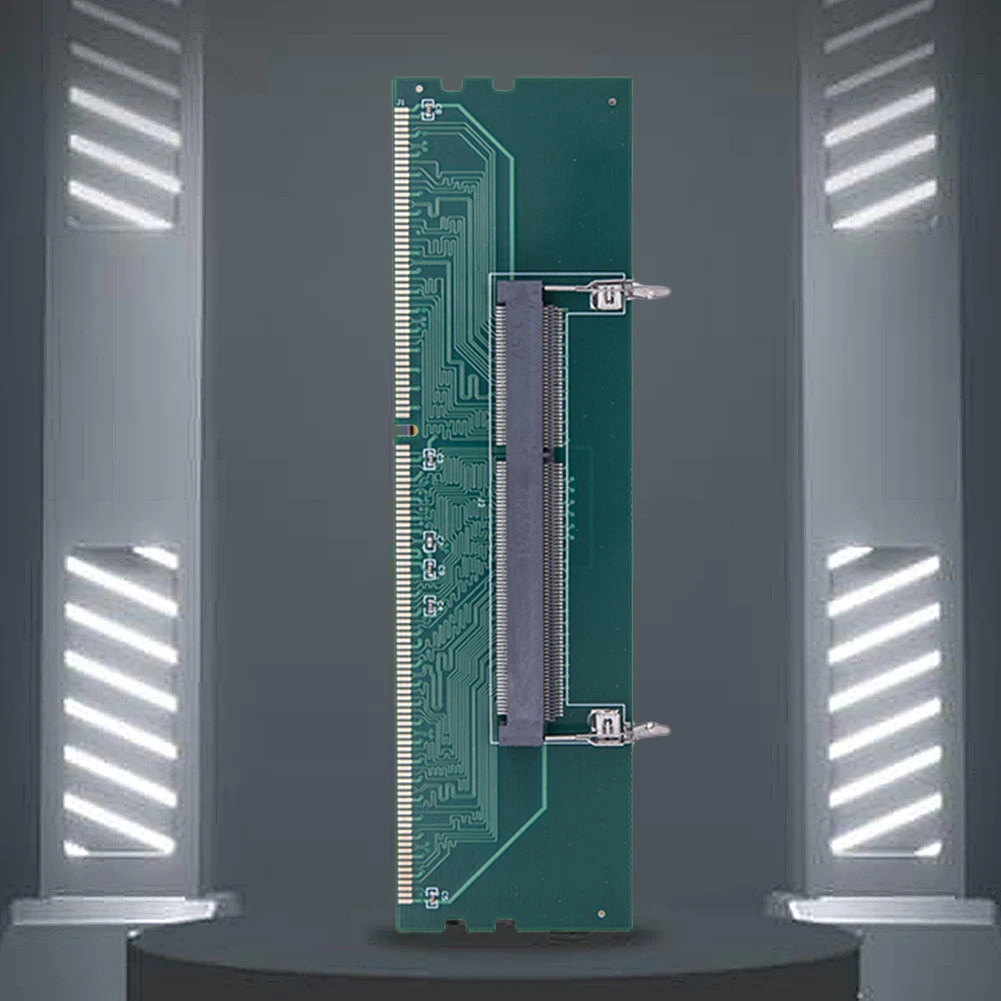
Visually, these adapters present as a standard DIMM module, albeit with a SO-DIMM slot integrated into their structure. The design is straightforward, featuring a printed circuit board (PCB) with a male desktop DIMM connector at the bottom and a female laptop SO-DIMM slot positioned centrally. This physical configuration is crucial. It ensures the electrical and mechanical interface between the smaller laptop memory and the larger desktop slot is seamless. The various models, as depicted, cater to different generations of DDR technology, specifically DDR3, DDR4, and DDR5, indicating a broad compatibility range across modern computing platforms.
This design implies a direct electrical passthrough, translating the SO-DIMM pinout to the corresponding DIMM pinout. The adapter's role is primarily physical and electrical translation, not signal conversion or buffering. This simplicity minimizes potential latency or signal integrity issues that more complex active adapters might introduce. The physical dimensions are designed to fit within a standard desktop memory slot, although the added height of the SO-DIMM module itself must be considered for clearance within compact cases. The presence of locking clips on the SO-DIMM slot ensures the laptop memory module is securely seated, preventing accidental dislodgement.
Compared to purchasing new desktop DIMM modules, this adapter offers a distinct advantage in resource utilization. Instead of incurring the full cost of new RAM, users can leverage existing SO-DIMM modules, often acquired from older laptops or as surplus. This approach significantly reduces the financial burden associated with memory upgrades, providing a comfortable budget solution for many users. The visual consistency across the DDR generations (DDR3, DDR4, DDR5) suggests a standardized manufacturing process, aiming for reliability and consistent performance across the different memory types.
Installation Harmony: A Streamlined Upgrade Path
The installation process for these adapters is designed for user accessibility and minimal complexity. The SO-DIMM module simply inserts into the adapter's slot, much like it would into a laptop motherboard. Once the laptop memory is secured, the entire adapter assembly then slots into a desktop motherboard's DIMM slot. This process mirrors standard memory installation, requiring no specialized tools or advanced technical knowledge. The physical orientation and keying of both the SO-DIMM and DIMM connectors prevent incorrect insertion, safeguarding both the memory and the motherboard from damage.
This ease of installation contributes to a soothing upgrade experience. Users avoid the repetitive strain of troubleshooting compatibility issues or the frustration of complex setup procedures. The adapter effectively standardizes the physical interface, allowing for a quick and confident installation. The visible robust construction of the adapter PCB suggests it can withstand the typical forces involved in memory installation and removal, ensuring durability over multiple upgrade cycles. This is a simple, direct insertion.
Unlike direct memory upgrades that necessitate purchasing new, often expensive, desktop-specific RAM, this adapter transforms the upgrade process into a resourceful act of repurposing. It eliminates the need to research and purchase new modules, reducing the mental strain and time investment. The straightforward nature of the adapter means that even novice builders can confidently expand their system's memory, making it an ideal component for DIY enthusiasts and budget-conscious users alike. It really simplifies things.
Performance Considerations for Adapted Memory
While the adapter facilitates physical compatibility, it is important to understand its implications for memory performance. The adapter itself is a passive device, meaning it does not actively alter or enhance the memory signals. The performance characteristics, such as speed, latency, and capacity, are entirely dependent on the SO-DIMM module inserted. The adapter maintains the integrity of these signals, ensuring that the laptop memory operates at its rated specifications within the desktop environment. This direct passthrough design is critical for maintaining system stability and performance.
In a scenario where a user is repurposing high-performance SO-DIMM modules, the adapter ensures that those performance characteristics are carried over to the desktop. However, it is crucial to match the SO-DIMM's DDR generation (e.g., DDR4) with the adapter's and the motherboard's supported DDR generation. Mismatches prevent system boot. The adapter's design, with its visible traces and clean layout, suggests an effort to minimize signal degradation, which is paramount for high-speed memory operation. This ensures system health.
Compared to dedicated desktop DIMMs, a key consideration for adapted SO-DIMMs is their physical height. While not a performance factor directly, it is an ergonomic consideration for system builders. The combined height of the adapter and the SO-DIMM might interfere with large CPU coolers or other components in tightly packed cases. This is a minor trade-off for the financial benefits. However, for standard tower cases with ample clearance, this poses no issue, offering a comfortable fit for most setups. The adapter allows for full utilization.
Financial Acumen in Upgrades: Value Proposition
The primary value proposition of the SO-DIMM To PC DIMM Memory Adapter lies in its economic efficiency. By enabling the reuse of laptop memory, it significantly reduces the cost of memory upgrades for desktop systems. This is particularly beneficial for users who have upgraded their laptops and have spare SO-DIMM modules, or for those building budget-conscious systems. The cost of a new desktop DIMM can often be several times higher than the cost of this adapter, making the adapter a financially astute choice.
This cost-saving mechanism prevents the financial strain associated with purchasing new, often expensive, desktop RAM. It also promotes a more sustainable approach to computing by extending the lifecycle of electronic components. Instead of contributing to e-waste, functional laptop memory is given a second life. This aligns with ergonomic principles of resource management, reducing the overall