Heltec WiFi LoRa 32 (V3) Dev-board
Official Store Deal
Expert Analysis Overview
The Heltec WiFi LoRa 32 (V3) Dev-board is a highly integrated, compact development platform engineered for advanced IoT and long-range wireless communication projects. This board combines the robust processing power of the ESP32-S3 with the extended reach of Semtech's SX1262 LoRa transceiver, providing a comprehensive solution for developers focused on efficient, low-power network deployments. Its integrated OLED display offers immediate visual feedback, a critical feature for debugging and real-time status monitoring in remote applications.
At its heart, the board features the ESP32-S3 microcontroller. This dual-core Xtensa LX7 processor operates at up to 240 MHz, delivering substantial computational power for complex tasks. It includes a rich set of peripherals, making it suitable for a wide array of embedded applications. The integrated Wi-Fi and Bluetooth Low Energy (BLE) capabilities provide standard short-range connectivity options.
Developers can leverage the ESP32-S3's processing muscle for data acquisition, sensor fusion, and local data processing before transmission. This reduces the need for external microcontrollers, streamlining project complexity. Unlike many entry-level microcontrollers that require external Wi-Fi modules, the ESP32-S3's integrated wireless stack simplifies network integration, offering a more compact and power-efficient design.
For long-range communication, the board incorporates the Semtech SX1262 LoRa transceiver. This module supports LoRaWAN, a low-power, wide-area network protocol, enabling data transmission over kilometers with minimal power consumption. The SX1262 is known for its excellent link budget and interference immunity. Long range is a key advantage.
Implementing LoRa technology allows for the creation of extensive sensor networks or remote control systems that are impractical with standard Wi-Fi or BLE. This capability is particularly valuable in agricultural monitoring, smart city infrastructure, or industrial IoT where devices are spread over large areas. Compared to generic RF modules that often lack robust protocol support, the SX1262's LoRaWAN compatibility provides a standardized, secure, and scalable networking solution.
A standout feature is the integrated 0.96-inch OLED display. This monochrome screen provides 128x64 pixel resolution, offering a clear interface for displaying sensor data, network status, or debugging information directly on the board. Its compact size does not add significant bulk.
This display eliminates the immediate need for an external monitor or serial console during initial development and deployment. It allows for quick verification of device operation in the field, which is invaluable for troubleshooting. Many development boards omit an integrated display, forcing developers to rely on serial monitors or add external screens, increasing cost and complexity. The Heltec board integrates this convenience directly.
The Heltec WiFi LoRa 32 (V3) is designed with power efficiency in mind, crucial for battery-powered applications. It typically features a USB-C port for power and programming, alongside battery charging circuitry for LiPo batteries. This makes it highly portable.
Effective power management is paramount for devices deployed in remote locations where power sources are scarce. The board's design supports low-power modes of the ESP32-S3 and SX1262, extending battery life significantly. Unlike boards that require complex external power management circuits, this integrated solution simplifies the power supply design for developers.
The board adopts a compact, breadboard-friendly form factor with standard pin headers. This design facilitates easy integration into custom PCBs or prototyping on breadboards. The pinout provides access to the ESP32-S3's GPIOs, ADC, DAC, and other peripherals.
Its small footprint allows for deployment in constrained spaces, making it suitable for wearable tech, compact sensors, or embedded systems. The availability of an optional protective case further enhances its durability for field deployments. Many development boards are bare PCBs, leaving them vulnerable to environmental factors without additional enclosures.
Heltec boards are generally well-supported within the Arduino IDE and ESP-IDF ecosystems. This broad compatibility ensures a rich set of libraries, examples, and community support for developers. Programming is straightforward.
This extensive ecosystem support significantly lowers the barrier to entry for new developers and accelerates project timelines for experienced ones. Access to pre-built libraries for LoRa, Wi-Fi, and BLE simplifies complex communication protocols. Compared to proprietary or less-supported platforms, the open-source nature of ESP32 development offers greater flexibility and longevity for projects.
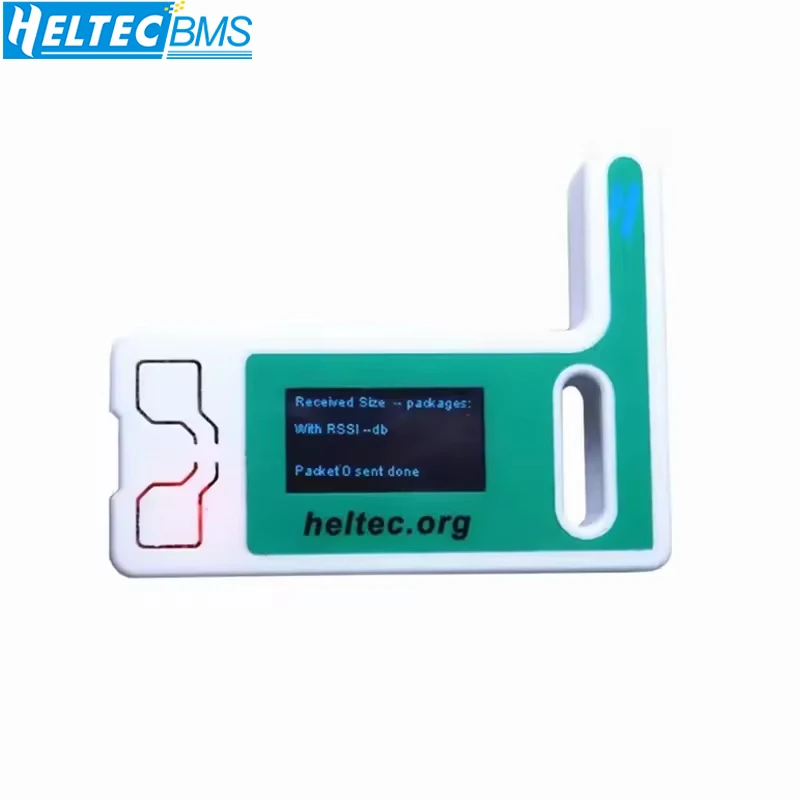
The optional wireless shell stick case provides physical protection for the development board. This enclosure is specifically designed for the V3 board, ensuring a precise fit and protecting the sensitive electronics from dust, minor impacts, and environmental elements. Proper fit is essential.
The board also includes provisions for external antenna connection, typically via an IPEX/U.FL connector for the LoRa antenna. This allows for the use of various antenna types, including spring antennas or glue rod antennas, to optimize signal strength and range for specific deployment scenarios. An optimized antenna can drastically improve performance. Unlike boards with only on-board antennas, the flexibility to choose an external antenna is a significant advantage for long-range applications.
This Heltec WiFi LoRa 32 (V3) Dev-board empowers developers to build sophisticated, long-range IoT solutions with integrated display feedback and robust wireless capabilities. Imagine deploying a network of environmental sensors across a sprawling vineyard, monitoring conditions in real-time, or creating a smart home system that communicates reliably across multiple buildings. This board makes such ambitious projects not just feasible, but elegantly achievable, turning complex challenges into streamlined successes.
Core Processing and Wireless Capabilities
At its heart, the board features the ESP32-S3 microcontroller. This dual-core Xtensa LX7 processor operates at up to 240 MHz, delivering substantial computational power for complex tasks. It includes a rich set of peripherals, making it suitable for a wide array of embedded applications. The integrated Wi-Fi and Bluetooth Low Energy (BLE) capabilities provide standard short-range connectivity options.
Developers can leverage the ESP32-S3's processing muscle for data acquisition, sensor fusion, and local data processing before transmission. This reduces the need for external microcontrollers, streamlining project complexity. Unlike many entry-level microcontrollers that require external Wi-Fi modules, the ESP32-S3's integrated wireless stack simplifies network integration, offering a more compact and power-efficient design.
For long-range communication, the board incorporates the Semtech SX1262 LoRa transceiver. This module supports LoRaWAN, a low-power, wide-area network protocol, enabling data transmission over kilometers with minimal power consumption. The SX1262 is known for its excellent link budget and interference immunity. Long range is a key advantage.
Implementing LoRa technology allows for the creation of extensive sensor networks or remote control systems that are impractical with standard Wi-Fi or BLE. This capability is particularly valuable in agricultural monitoring, smart city infrastructure, or industrial IoT where devices are spread over large areas. Compared to generic RF modules that often lack robust protocol support, the SX1262's LoRaWAN compatibility provides a standardized, secure, and scalable networking solution.
Visual Feedback and Integrated Display
A standout feature is the integrated 0.96-inch OLED display. This monochrome screen provides 128x64 pixel resolution, offering a clear interface for displaying sensor data, network status, or debugging information directly on the board. Its compact size does not add significant bulk.
This display eliminates the immediate need for an external monitor or serial console during initial development and deployment. It allows for quick verification of device operation in the field, which is invaluable for troubleshooting. Many development boards omit an integrated display, forcing developers to rely on serial monitors or add external screens, increasing cost and complexity. The Heltec board integrates this convenience directly.
Power Management and Efficiency
The Heltec WiFi LoRa 32 (V3) is designed with power efficiency in mind, crucial for battery-powered applications. It typically features a USB-C port for power and programming, alongside battery charging circuitry for LiPo batteries. This makes it highly portable.
Effective power management is paramount for devices deployed in remote locations where power sources are scarce. The board's design supports low-power modes of the ESP32-S3 and SX1262, extending battery life significantly. Unlike boards that require complex external power management circuits, this integrated solution simplifies the power supply design for developers.
Form Factor and Expandability
The board adopts a compact, breadboard-friendly form factor with standard pin headers. This design facilitates easy integration into custom PCBs or prototyping on breadboards. The pinout provides access to the ESP32-S3's GPIOs, ADC, DAC, and other peripherals.
Its small footprint allows for deployment in constrained spaces, making it suitable for wearable tech, compact sensors, or embedded systems. The availability of an optional protective case further enhances its durability for field deployments. Many development boards are bare PCBs, leaving them vulnerable to environmental factors without additional enclosures.
Ecosystem and Development Experience
Heltec boards are generally well-supported within the Arduino IDE and ESP-IDF ecosystems. This broad compatibility ensures a rich set of libraries, examples, and community support for developers. Programming is straightforward.
This extensive ecosystem support significantly lowers the barrier to entry for new developers and accelerates project timelines for experienced ones. Access to pre-built libraries for LoRa, Wi-Fi, and BLE simplifies complex communication protocols. Compared to proprietary or less-supported platforms, the open-source nature of ESP32 development offers greater flexibility and longevity for projects.
The Wireless Shell Stick and Antenna Integration
The optional wireless shell stick case provides physical protection for the development board. This enclosure is specifically designed for the V3 board, ensuring a precise fit and protecting the sensitive electronics from dust, minor impacts, and environmental elements. Proper fit is essential.
The board also includes provisions for external antenna connection, typically via an IPEX/U.FL connector for the LoRa antenna. This allows for the use of various antenna types, including spring antennas or glue rod antennas, to optimize signal strength and range for specific deployment scenarios. An optimized antenna can drastically improve performance. Unlike boards with only on-board antennas, the flexibility to choose an external antenna is a significant advantage for long-range applications.
This Heltec WiFi LoRa 32 (V3) Dev-board empowers developers to build sophisticated, long-range IoT solutions with integrated display feedback and robust wireless capabilities. Imagine deploying a network of environmental sensors across a sprawling vineyard, monitoring conditions in real-time, or creating a smart home system that communicates reliably across multiple buildings. This board makes such ambitious projects not just feasible, but elegantly achievable, turning complex challenges into streamlined successes.