FENVI AX286 WiFi 6 USB Adapter
Official Store Deal
Expert Analysis Overview
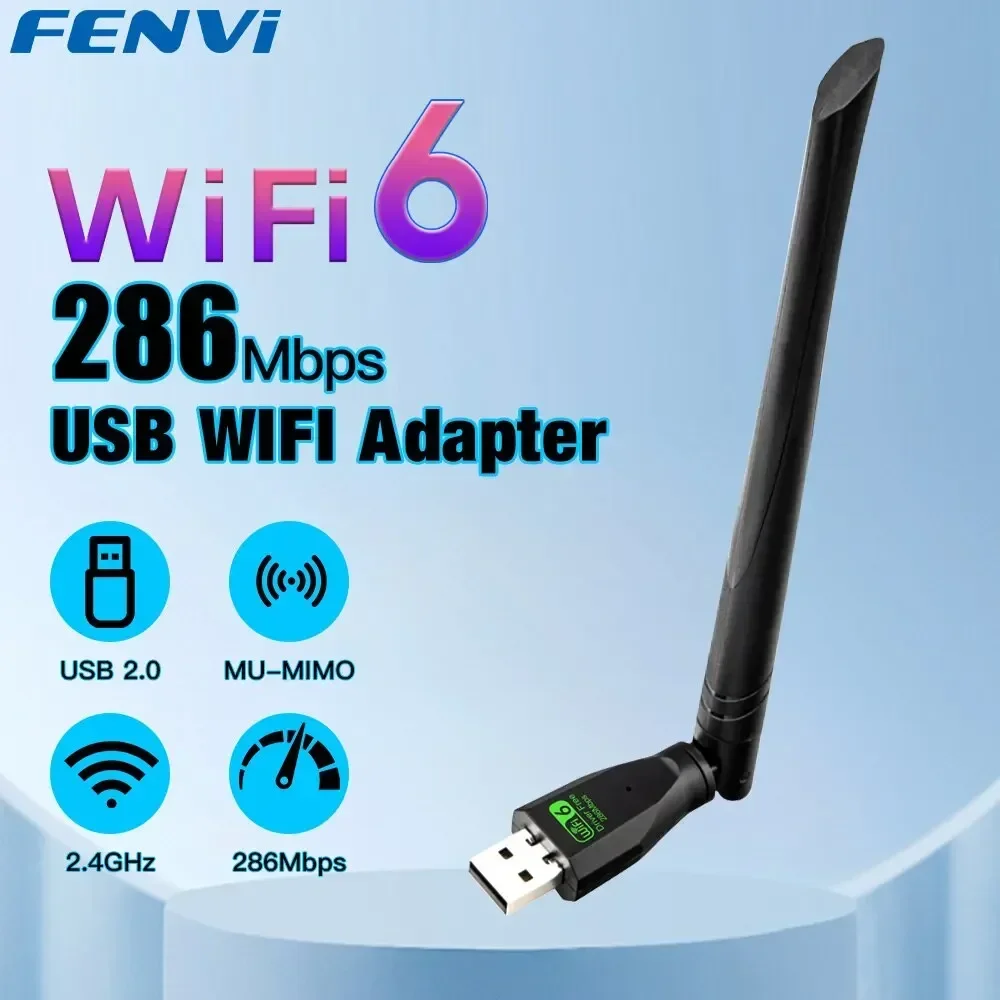
The FENVI AX286 WiFi 6 USB Adapter is a compact, high-performance networking peripheral engineered for users seeking to upgrade legacy systems to the 802.11ax standard. This device targets environments where existing hardware lacks native WiFi 6 capabilities, providing a cost-effective solution for enhanced wireless connectivity. Its design prioritizes ease of deployment and compatibility across various Windows operating systems.
The adapter explicitly supports the 802.11ax standard, commonly known as WiFi 6, operating exclusively on the 2.4GHz band. This specification enables enhanced data rates and improved network efficiency, particularly in environments with multiple connected devices. Users experience reduced latency during bandwidth-intensive operations. Faster data transfer is crucial.
Unlike older 802.11ac (WiFi 5) adapters, which often struggle with congestion in dense network environments, the AX286 leverages OFDMA and MU-MIMO technologies. These advancements facilitate simultaneous data transmission to multiple clients, optimizing channel utilization. This provides a more stable and responsive connection, even when the network is heavily utilized.
For network engineers evaluating client-side capabilities, the 2.4GHz operation implies a focus on range and penetration rather than peak throughput. While 5GHz bands offer higher speeds over shorter distances, the 2.4GHz band excels at traversing obstacles and covering larger areas. This makes the AX286 suitable for general home or office use where consistent coverage is paramount.
The FENVI AX286 advertises a maximum theoretical throughput of 286Mbps. This figure represents the link speed achievable under optimal conditions with a compatible WiFi 6 router. It is a significant improvement over older 802.11n standards.
However, the adapter utilizes a USB 2.0 interface. The practical bandwidth limitations of USB 2.0, typically around 480Mbps theoretical maximum, mean that the actual achievable wireless throughput will be constrained by the USB bus. While 286Mbps is well within this limit, it is a critical consideration for those expecting multi-gigabit performance, which typically requires a USB 3.0 or higher interface.
For traffic management, the implementation of MU-MIMO is a key differentiator. This technology allows the access point to communicate with multiple devices simultaneously, rather than sequentially. This reduces overall network congestion and improves the experience for all connected clients. Efficient traffic handling is vital.
One of the primary advantages highlighted for the FENVI AX286 is its driver-free operation across Windows 7, Windows 10, and Windows 11. This feature simplifies deployment significantly, eliminating the need for manual driver installation from CDs or downloads. Plug-and-play functionality is a major convenience.
This driver-free capability suggests the adapter utilizes a chipset with native support within the Windows kernel or a widely recognized class driver. For IT administrators or end-users, this reduces troubleshooting overhead and ensures immediate functionality upon connection. System integration is seamless.
While driver-free on Windows, compatibility with other operating systems such as macOS or Linux is not explicitly stated. Users operating non-Windows environments should verify chipset compatibility and available open-source drivers. The focus remains on Windows.
The product imagery explicitly mentions WPA2 encryption for secure wireless connections. WPA2 remains a widely adopted and robust security protocol for protecting wireless networks from unauthorized access. Data integrity is paramount.
While WPA2 is effective, the absence of explicit mention of WPA3 support, the latest security standard, is a notable point. WPA3 offers enhanced security features, including individualized data encryption and protection against brute-force attacks. For enterprise-grade security requirements, WPA3 is generally preferred.
However, for typical home or small office environments, WPA2 provides a sufficient level of security when properly configured with a strong passphrase. The emphasis on preventing information leaks underscores the importance of secure wireless communication. User data remains protected.
The FENVI AX286 features an external, adjustable antenna. This design choice offers several advantages over internal antenna solutions. An external antenna can be positioned for optimal signal reception, potentially improving range and stability. Signal strength is enhanced.
Compared to compact, built-in antenna adapters, the external antenna provides a higher gain, which translates to a stronger signal-to-noise ratio. This is particularly beneficial in areas with weak Wi-Fi coverage or when connecting to distant access points. Better reception is a clear benefit.
The physical form factor, while slightly larger due to the antenna, remains relatively unobtrusive when plugged into a USB port. Its swivel design allows for flexible positioning, preventing interference with adjacent ports or other peripherals. Ergonomics are considered.
The FENVI AX286 positions itself as an accessible upgrade for systems lacking modern wireless capabilities. Its low price point, combined with WiFi 6 and driver-free installation, makes it an attractive option for budget-conscious users. Value for money is evident.
This adapter is particularly well-suited for older laptops or desktop PCs that are still performing adequately but are bottlenecked by outdated WiFi standards. It breathes new life into existing hardware without requiring a costly motherboard or system replacement. Extending hardware lifespan is a smart move.
For network administrators or power users, while the 2.4GHz-only operation and USB 2.0 interface might not meet the most demanding requirements, it serves as a reliable and easy-to-deploy solution for basic client connectivity. It fulfills a specific niche.
Imagine seamless, stable internet access on your older laptop, finally keeping pace with modern network speeds. Picture streaming high-definition content without buffering, or participating in video conferences with minimal lag, all thanks to a simple, effective upgrade. This adapter transforms your connectivity experience, making your digital interactions smoother and more reliable, extending the useful life of your current devices with a significant performance boost.
Wireless Protocol Implementation
The adapter explicitly supports the 802.11ax standard, commonly known as WiFi 6, operating exclusively on the 2.4GHz band. This specification enables enhanced data rates and improved network efficiency, particularly in environments with multiple connected devices. Users experience reduced latency during bandwidth-intensive operations. Faster data transfer is crucial.
Unlike older 802.11ac (WiFi 5) adapters, which often struggle with congestion in dense network environments, the AX286 leverages OFDMA and MU-MIMO technologies. These advancements facilitate simultaneous data transmission to multiple clients, optimizing channel utilization. This provides a more stable and responsive connection, even when the network is heavily utilized.
For network engineers evaluating client-side capabilities, the 2.4GHz operation implies a focus on range and penetration rather than peak throughput. While 5GHz bands offer higher speeds over shorter distances, the 2.4GHz band excels at traversing obstacles and covering larger areas. This makes the AX286 suitable for general home or office use where consistent coverage is paramount.
Throughput and Bandwidth Management
The FENVI AX286 advertises a maximum theoretical throughput of 286Mbps. This figure represents the link speed achievable under optimal conditions with a compatible WiFi 6 router. It is a significant improvement over older 802.11n standards.
However, the adapter utilizes a USB 2.0 interface. The practical bandwidth limitations of USB 2.0, typically around 480Mbps theoretical maximum, mean that the actual achievable wireless throughput will be constrained by the USB bus. While 286Mbps is well within this limit, it is a critical consideration for those expecting multi-gigabit performance, which typically requires a USB 3.0 or higher interface.
For traffic management, the implementation of MU-MIMO is a key differentiator. This technology allows the access point to communicate with multiple devices simultaneously, rather than sequentially. This reduces overall network congestion and improves the experience for all connected clients. Efficient traffic handling is vital.
Driver Architecture and Operating System Compatibility
One of the primary advantages highlighted for the FENVI AX286 is its driver-free operation across Windows 7, Windows 10, and Windows 11. This feature simplifies deployment significantly, eliminating the need for manual driver installation from CDs or downloads. Plug-and-play functionality is a major convenience.
This driver-free capability suggests the adapter utilizes a chipset with native support within the Windows kernel or a widely recognized class driver. For IT administrators or end-users, this reduces troubleshooting overhead and ensures immediate functionality upon connection. System integration is seamless.
While driver-free on Windows, compatibility with other operating systems such as macOS or Linux is not explicitly stated. Users operating non-Windows environments should verify chipset compatibility and available open-source drivers. The focus remains on Windows.
Security Protocols and Network Integrity
The product imagery explicitly mentions WPA2 encryption for secure wireless connections. WPA2 remains a widely adopted and robust security protocol for protecting wireless networks from unauthorized access. Data integrity is paramount.
While WPA2 is effective, the absence of explicit mention of WPA3 support, the latest security standard, is a notable point. WPA3 offers enhanced security features, including individualized data encryption and protection against brute-force attacks. For enterprise-grade security requirements, WPA3 is generally preferred.
However, for typical home or small office environments, WPA2 provides a sufficient level of security when properly configured with a strong passphrase. The emphasis on preventing information leaks underscores the importance of secure wireless communication. User data remains protected.
Physical Design and Antenna Configuration
The FENVI AX286 features an external, adjustable antenna. This design choice offers several advantages over internal antenna solutions. An external antenna can be positioned for optimal signal reception, potentially improving range and stability. Signal strength is enhanced.
Compared to compact, built-in antenna adapters, the external antenna provides a higher gain, which translates to a stronger signal-to-noise ratio. This is particularly beneficial in areas with weak Wi-Fi coverage or when connecting to distant access points. Better reception is a clear benefit.
The physical form factor, while slightly larger due to the antenna, remains relatively unobtrusive when plugged into a USB port. Its swivel design allows for flexible positioning, preventing interference with adjacent ports or other peripherals. Ergonomics are considered.
Value Proposition and Target User
The FENVI AX286 positions itself as an accessible upgrade for systems lacking modern wireless capabilities. Its low price point, combined with WiFi 6 and driver-free installation, makes it an attractive option for budget-conscious users. Value for money is evident.
This adapter is particularly well-suited for older laptops or desktop PCs that are still performing adequately but are bottlenecked by outdated WiFi standards. It breathes new life into existing hardware without requiring a costly motherboard or system replacement. Extending hardware lifespan is a smart move.
For network administrators or power users, while the 2.4GHz-only operation and USB 2.0 interface might not meet the most demanding requirements, it serves as a reliable and easy-to-deploy solution for basic client connectivity. It fulfills a specific niche.
Imagine seamless, stable internet access on your older laptop, finally keeping pace with modern network speeds. Picture streaming high-definition content without buffering, or participating in video conferences with minimal lag, all thanks to a simple, effective upgrade. This adapter transforms your connectivity experience, making your digital interactions smoother and more reliable, extending the useful life of your current devices with a significant performance boost.