Circular Embedded Digital Thermometer Hygrometer for 3D Printing
Official Store Deal
Expert Analysis Overview
Precision Environmental Monitoring for the Modern Maker
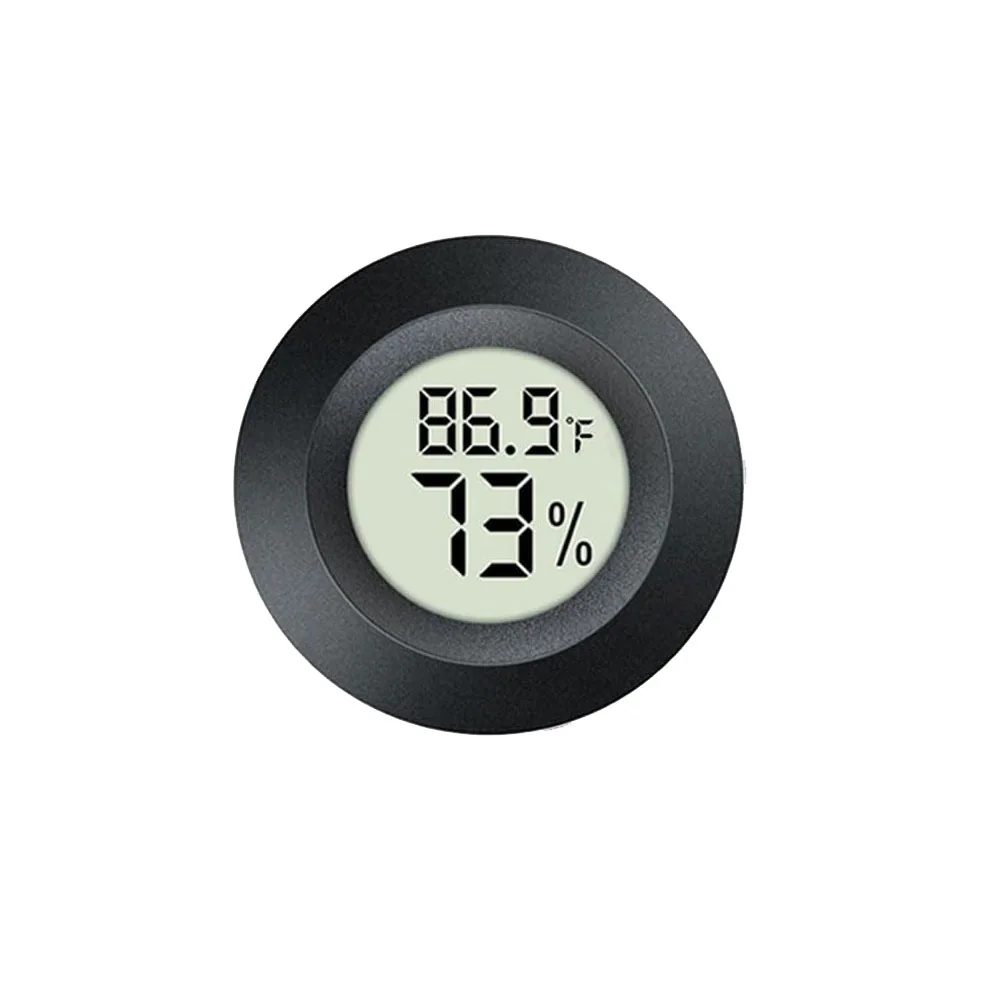
The Circular Embedded Digital Thermometer Hygrometer is a compact, purpose-built environmental sensor essential for any serious 3D printing enthusiast looking to maintain optimal filament conditions. This device moves beyond mere temperature display, offering crucial humidity data, making it an indispensable tool for preventing common print failures related to moisture absorption.The visual design of this embedded unit speaks directly to its function. A clear, segmented LCD prominently displays both temperature in Fahrenheit and relative humidity as a percentage. This direct visual feedback allows for immediate assessment of environmental parameters.
For a maker, instant data is key. There's no fumbling with apps or waiting for updates; the critical information is right there. This directness helps in making quick, informed decisions about your printing environment.
Unlike generic room thermometers or hygrometers that might offer inconsistent or delayed readings, this unit is designed for integration. Its embedded nature ensures localized, real-time data where it matters most: within a filament dry box, a printer enclosure, or any controlled environment crucial for sensitive materials.
Integrating into Your Workshop: Design and Dimensions
This hygrometer's design focuses on minimalist integration. The matte black, circular bezel provides a clean, unobtrusive look when mounted, making it suitable for a variety of custom enclosures or existing setups. It simply blends.The physical dimensions are critical for embedded applications. With an outer diameter of 45mm (1.77 inches) and a mounting hole diameter of 40mm (1.57 inches), this unit is engineered for a snug fit. The shallow depth of 15mm (0.6 inches) means it doesn't protrude excessively, maintaining a streamlined aesthetic and functional profile.
These precise measurements are a boon for custom builds. A maker can drill a 40mm hole with confidence, knowing the unit will seat perfectly. This contrasts sharply with bulkier, standalone units that require precious bench space or awkward mounting solutions, often compromising the integrity of a sealed environment.
The Maker's Advantage: Why Environment Matters
Temperature and humidity are not just numbers in 3D printing; they are fundamental variables that directly impact print success. Especially with hygroscopic filaments like PETG, Nylon, or PVA, moisture absorption can lead to stringing, bubbling, poor layer adhesion, and ultimately, failed prints. This sensor helps mitigate that.By providing accurate, localized humidity readings, the embedded hygrometer empowers the user to actively manage filament storage. Maintaining a low relative humidity, typically below 20% for most sensitive filaments, is paramount. This device gives you the data to confirm those conditions.
Many common print anomalies are often misdiagnosed as slicer settings issues or printer malfunctions, when in fact, they stem from damp filament. Investing in a reliable hygrometer is a proactive step, saving hours of troubleshooting and wasted material. It's a simple fix.
The unit boasts a temperature range of 0°C to 50°C (32°F to 158°F) with an accuracy of +/
Consistent temperature helps maintain dimensional accuracy and reduces warping. Knowing the precise temperature within an enclosure can inform adjustments to bed temperature or active heating systems. It’s about control.
Compared to inexpensive, uncalibrated sensors, the stated accuracy provides a baseline of reliability. While not laboratory-grade, it offers sufficient precision for workshop use, allowing makers to trust the data for practical applications.
Beyond the Basics: Customization and Community
The embedded nature of this thermometer hygrometer inherently invites customization. Its simple, self-contained design makes it an ideal component for DIY filament dry boxes, custom printer enclosures, or even integrated into monitoring dashboards. The possibilities are wide.Many in the 3D printing community share designs for dry boxes, often incorporating cutouts for exactly this type of embedded sensor. This collective knowledge streamlines the process for others, providing proven templates for integration. Community resources are invaluable.
A maker could, for instance, design and 3D print a custom bezel or mounting bracket to perfectly fit a specific enclosure material or thickness. This level of hackability is what makes such a straightforward component truly valuable in a tinkering context. It adapts to you.
While the device itself does not offer connectivity, its clear digital output can be read and manually logged, or even photographed for historical tracking. For those interested in more advanced data collection, its simplicity means it won't interfere with other, more complex monitoring systems. It's a clean data point.
This basic functionality allows for a clear division of labor in a complex setup. The hygrometer handles local environmental sensing, while a separate microcontroller might handle active drying, fan control, or remote data transmission. Each tool has its place.
This segmented approach often leads to more robust and easily maintainable systems, where individual components can be upgraded or replaced without overhauling the entire setup. Modularity matters.
Longevity and Value: A Smart Investment
The casing material is specified as ABS, a common and durable thermoplastic. ABS is known for its impact resistance and rigidity, making it a suitable choice for a workshop environment where accidental bumps can occur. It's built to last.Using ABS for the housing contributes to the unit's longevity, protecting the internal electronics from minor physical stresses. This material choice is a practical decision for a device intended for regular handling and integration. Durability is a priority.
When considering the cost, especially at a price point of around 3.33 USD, the value proposition is clear. This is a low-cost, high-impact upgrade for any 3D printing setup. The expense is minimal.
Preventing even one failed print due to damp filament can easily offset the cost of this hygrometer. Filament, especially specialty types, can be expensive. Protecting that investment is smart.
Compared to the frustration and material waste of troubleshooting moisture-related print issues, this device offers significant return on investment through improved print consistency and reduced material spoilage. It pays for itself.
Seamless Operation: Keeping Your Prints Perfect
Operating this embedded hygrometer is straightforward. Once a battery is installed and the unit is mounted, it provides continuous readings. There are no complex menus or calibration routines to navigate.The simplicity of operation means less time spent configuring and more time focused on printing. For a maker, time is a valuable resource. This device respects that.
Maintenance is minimal, primarily involving occasional battery replacement and ensuring the sensor vents are clear of dust or debris. A quick wipe keeps it clean. It's truly set-and-forget for the most part.
This ease of use ensures that even beginners to 3D printing can immediately benefit from accurate environmental data without a steep learning curve. It lowers the barrier to entry for proper filament management.
Imagine the satisfaction of consistently producing high-quality prints, free from the common pitfalls of inconsistent material properties. Visualize your filament spools resting in perfectly conditioned dry boxes, ready for action at a moment's notice. This small, embedded sensor becomes a silent guardian, ensuring your creative projects are realized with precision and reliability, print after print. The peace of mind it offers allows you to focus on design and innovation, rather than battling environmental variables. This is the future of your printing experience.