Begrint Cold Build Plate for Creality & Ender 3D Printers
Official Store Deal
Expert Analysis Overview
The Begrint Cold Build Plate is a specialized print surface engineered for Creality and Ender 3D printers, offering a significant upgrade for makers seeking reliable first-layer adhesion and simplified print removal without additional adhesives. This plate fundamentally changes the workflow for many common filament types, streamlining the printing process from start to finish. It’s a compelling option for those looking to enhance their 3D printing capabilities.
The visible surface of the Begrint cold plate features an innovative microporous polymer composition. This material is designed to grip prints firmly, even at lower temperatures than traditionally required. The underlying structure combines this polymer with a high hardness, high magnetic spring steel plate, providing both flexibility and robust support. This multi-layered approach ensures consistent performance.
For a maker, this translates directly into fewer failed prints due to warping or detachment. The polymer's micro-texture interacts with molten filament, creating a mechanical bond that holds the print securely throughout the entire process. This is especially beneficial for intricate models with small contact areas, where initial adhesion is critical. Prints remain stable.
Unlike many standard build surfaces that often demand glues, hairspray, or other adhesion promoters, this plate eliminates that necessity. Traditional glass beds or even some PEI sheets might require these extra steps, adding time and potential mess to the setup. The Begrint plate offers a cleaner, more direct path to successful first layers, reducing consumable costs and prep time.
One of the standout features is its ability to achieve optimal adhesion at significantly reduced bed temperatures. For PLA, the recommended range is 40-50°C, while PETG performs well between 60-70°C. These temperatures are notably lower than what many standard heated beds require for reliable adhesion, particularly with larger prints. Lower temperatures mean less energy consumption.
This reduction in required heat has several implications for the 3D printing enthusiast. First, it directly translates to lower power consumption for the printer's heated bed, which is often one of the most energy-intensive components. Over long prints or frequent use, these energy savings can accumulate. Second, the reduced thermal stress on the entire printer system, including wiring and heating elements, potentially extends the lifespan of these components. Less heat, less wear.
Compared to conventional build plates, which might demand bed temperatures upwards of 60-70°C for PLA and 80°C or more for PETG, the Begrint plate presents a clear efficiency advantage. This makes it an attractive upgrade for users conscious of their energy footprint or those running multiple machines. It’s a smart choice.
Removing finished prints from a build plate can often be a delicate and frustrating process, frequently requiring scrapers, spatulas, or other tools that risk damaging the print or the bed itself. This cold plate simplifies the entire removal procedure. The plate flexes easily.
Once a print is complete and the bed has cooled slightly (though not necessarily to room temperature, as discussed later), the user can simply bend the flexible steel plate. This action causes the print to detach from the surface, often with a satisfying pop. The material springs back flat, ready for the next print. No tools are needed.
This method stands in stark contrast to rigid glass plates or non-flexible surfaces where prying off prints can be a battle. Even some flexible PEI sheets can sometimes hold onto prints too tightly, requiring significant force. The Begrint plate's design prioritizes ease of removal, saving time and preventing potential damage to delicate models. It’s truly user-friendly.
Another significant benefit for the busy maker is the ability to remove the print bed immediately after printing, without waiting for it to cool down completely. This feature greatly optimizes the overall printing process. Time is valuable.
Traditional heated beds often require a cooling period before prints can be safely removed, especially if they are strongly adhered. This waiting time can bottleneck production, particularly in environments where multiple prints are run consecutively. The Begrint plate allows for a quick swap. If a spare plate is available, one can even start a new print on a fresh plate while the previous one cools and the print is removed.
This immediate removal capability offers a distinct advantage over standard build surfaces that necessitate a cooldown phase. For those running small print farms or simply wanting to maximize their printer's uptime, this feature is invaluable. It keeps the machines running.
The Begrint Cold Build Plate is designed with a broad range of Creality and Ender 3D printers in mind, making it a versatile upgrade for many popular machines. Compatibility is key for makers.
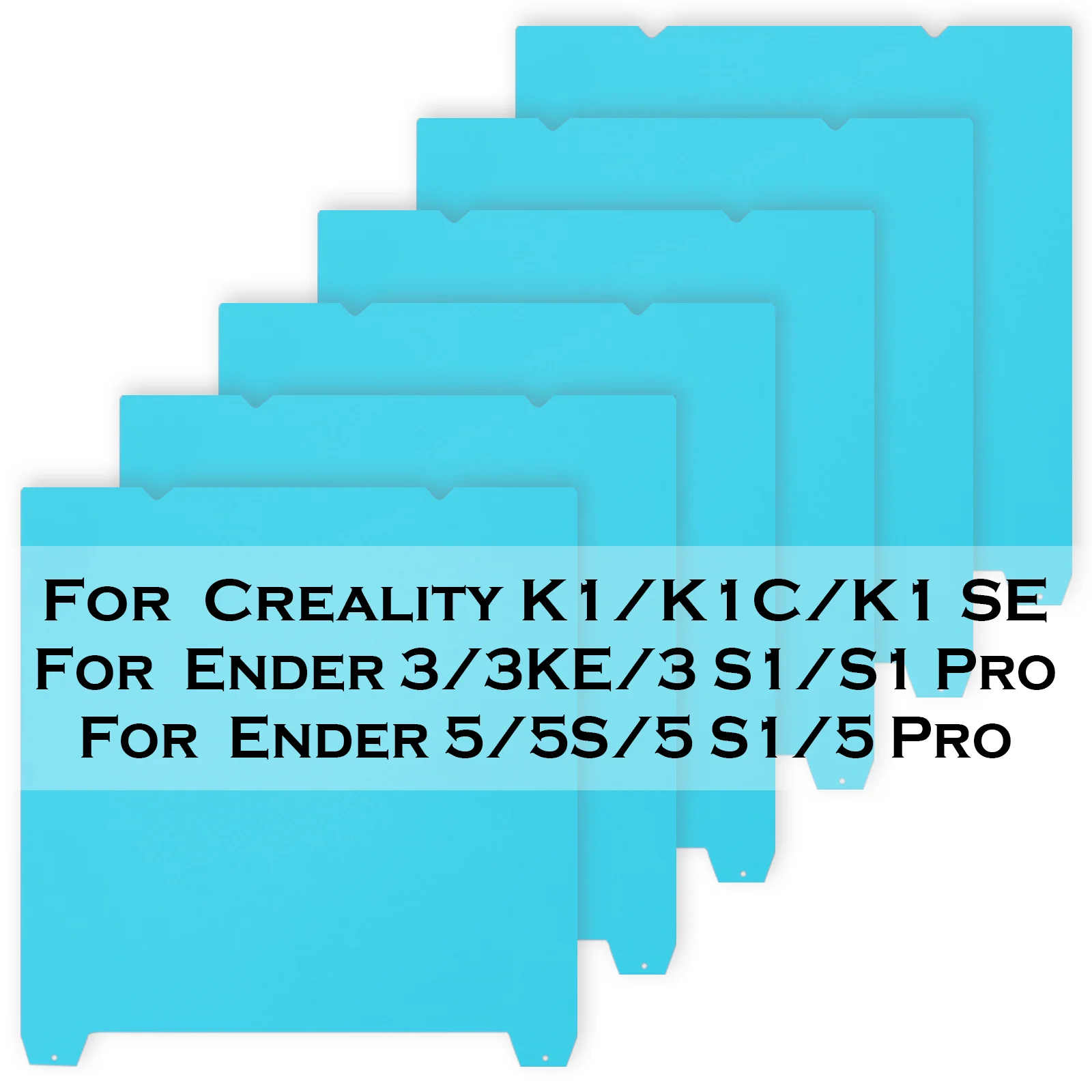
It supports models such as the Creality K1, K1C, K1 SE, Ender-3, Ender-3 KE, Ender-3 S1, Ender-3 S1 Pro, Ender-3 V3 KE, Ender-3 V2/V3 Pro, Ender-3 Neo N2 Neo, CP-01/CR20, Ender-5, Ender-5S, Ender-5 S1, and Ender-5 Pro. This extensive list ensures that a large segment of the 3D printing community can benefit from its features. This coverage is impressive.
For the maker or tinkerer, this wide compatibility means less worry about specific printer models. It facilitates an upgrade path without needing to invest in entirely new systems. This plate allows for experimentation across different machines in a workshop, knowing the build surface performance will be consistent. It integrates smoothly.
Compared to highly proprietary build plates or those designed for a single niche model, the Begrint plate's broad compatibility offers flexibility. This reduces the barrier to entry for upgrading and allows for easier part sharing or replacement if multiple compatible printers are owned. It's a smart upgrade choice.
The plate measures 235 mm by 235 mm (9.25 inches by 9.25 inches). These dimensions are standard for many of the compatible Creality and Ender 3D printers, ensuring a direct fit without modification. Proper sizing is crucial.
This precise sizing means users can simply swap out their existing build surface for the Begrint plate without any calibration issues related to bed size. The corners are notched, suggesting thoughtful design for specific printer bed alignments or cable clearances. It fits perfectly.
Many aftermarket build plates can sometimes have slight variations in size that might cause issues with bed clips or auto-leveling sensors. The specified 235x235mm size, combined with the visible notched design, indicates a product engineered for seamless integration. This attention to detail is appreciated.
For the active maker who frequently modifies and improves their machines, this build plate offers a stable foundation. Its consistent adhesion and easy removal free up time and mental energy that can then be directed towards other printer optimizations. Consistent results empower further modifications.
When troubleshooting print issues, a reliable build surface eliminates one major variable. This allows the community to focus on diagnosing other factors like extrusion settings, retraction, or slicer profiles. Community forums thrive on shared solutions, and a common, dependable component like this plate simplifies the diagnostic process for everyone. This helps collective problem-solving.
Furthermore, the low-temperature operation can open up new avenues for experimenting with custom parts or modifications that might be sensitive to higher ambient temperatures. This plate supports a dynamic approach to 3D printing, encouraging users to push the boundaries of their machines. It fuels innovation.
This plate is not just a component; it's an enabler for the community. It provides a common, reliable base for sharing print profiles and troubleshooting tips, fostering a stronger, more collaborative environment for 3D printing enthusiasts. It truly builds community.
The combination of an innovative polymer surface and a high-hardness spring steel plate suggests a product designed for longevity. The spring steel core provides structural integrity, resisting deformation from repeated bending. This ensures the plate maintains its flatness over time. Durability matters.
The polymer surface, while engineered for adhesion, also needs to withstand repeated heating cycles and the mechanical stress of print removal. Its microporous nature likely contributes to its resilience, allowing it to maintain its adhesive properties without significant degradation over many prints. This surface is tough.
Investing in a durable build plate like this reduces the frequency of replacements, offering better long-term value compared to cheaper, less robust alternatives that might quickly lose their adhesion or warp. This means fewer interruptions and a more consistent printing experience for years to come. It's a solid investment.
Imagine the satisfaction of consistently producing high-quality prints, effortlessly removing them from the bed, and immediately starting the next job without fuss. Picture a workshop where wasted filament from failed first layers becomes a distant memory, replaced by a smooth, efficient workflow that allows for more time spent designing and innovating. This build plate simplifies your 3D printing journey, turning potential frustrations into productive achievements. It empowers continuous creation, making every print a step closer to your next great project. Your creative output improves. You will enjoy a streamlined process, saving both time and material, allowing your focus to remain on the exciting possibilities of additive manufacturing. This is an upgrade that genuinely enhances the entire 3D printing experience, offering peace of mind and consistent results with every layer. The future of your printing is clearer and more efficient.
Engineering for Unwavering Adhesion
The visible surface of the Begrint cold plate features an innovative microporous polymer composition. This material is designed to grip prints firmly, even at lower temperatures than traditionally required. The underlying structure combines this polymer with a high hardness, high magnetic spring steel plate, providing both flexibility and robust support. This multi-layered approach ensures consistent performance.
For a maker, this translates directly into fewer failed prints due to warping or detachment. The polymer's micro-texture interacts with molten filament, creating a mechanical bond that holds the print securely throughout the entire process. This is especially beneficial for intricate models with small contact areas, where initial adhesion is critical. Prints remain stable.
Unlike many standard build surfaces that often demand glues, hairspray, or other adhesion promoters, this plate eliminates that necessity. Traditional glass beds or even some PEI sheets might require these extra steps, adding time and potential mess to the setup. The Begrint plate offers a cleaner, more direct path to successful first layers, reducing consumable costs and prep time.
Thermal Dynamics and Power Efficiency
One of the standout features is its ability to achieve optimal adhesion at significantly reduced bed temperatures. For PLA, the recommended range is 40-50°C, while PETG performs well between 60-70°C. These temperatures are notably lower than what many standard heated beds require for reliable adhesion, particularly with larger prints. Lower temperatures mean less energy consumption.
This reduction in required heat has several implications for the 3D printing enthusiast. First, it directly translates to lower power consumption for the printer's heated bed, which is often one of the most energy-intensive components. Over long prints or frequent use, these energy savings can accumulate. Second, the reduced thermal stress on the entire printer system, including wiring and heating elements, potentially extends the lifespan of these components. Less heat, less wear.
Compared to conventional build plates, which might demand bed temperatures upwards of 60-70°C for PLA and 80°C or more for PETG, the Begrint plate presents a clear efficiency advantage. This makes it an attractive upgrade for users conscious of their energy footprint or those running multiple machines. It’s a smart choice.
Streamlining the Workflow: Effortless Print Removal
Removing finished prints from a build plate can often be a delicate and frustrating process, frequently requiring scrapers, spatulas, or other tools that risk damaging the print or the bed itself. This cold plate simplifies the entire removal procedure. The plate flexes easily.
Once a print is complete and the bed has cooled slightly (though not necessarily to room temperature, as discussed later), the user can simply bend the flexible steel plate. This action causes the print to detach from the surface, often with a satisfying pop. The material springs back flat, ready for the next print. No tools are needed.
This method stands in stark contrast to rigid glass plates or non-flexible surfaces where prying off prints can be a battle. Even some flexible PEI sheets can sometimes hold onto prints too tightly, requiring significant force. The Begrint plate's design prioritizes ease of removal, saving time and preventing potential damage to delicate models. It’s truly user-friendly.
The Speed Advantage: Immediate Plate Removal
Another significant benefit for the busy maker is the ability to remove the print bed immediately after printing, without waiting for it to cool down completely. This feature greatly optimizes the overall printing process. Time is valuable.
Traditional heated beds often require a cooling period before prints can be safely removed, especially if they are strongly adhered. This waiting time can bottleneck production, particularly in environments where multiple prints are run consecutively. The Begrint plate allows for a quick swap. If a spare plate is available, one can even start a new print on a fresh plate while the previous one cools and the print is removed.
This immediate removal capability offers a distinct advantage over standard build surfaces that necessitate a cooldown phase. For those running small print farms or simply wanting to maximize their printer's uptime, this feature is invaluable. It keeps the machines running.
Compatibility and Integration for the Tinkerer
The Begrint Cold Build Plate is designed with a broad range of Creality and Ender 3D printers in mind, making it a versatile upgrade for many popular machines. Compatibility is key for makers.
It supports models such as the Creality K1, K1C, K1 SE, Ender-3, Ender-3 KE, Ender-3 S1, Ender-3 S1 Pro, Ender-3 V3 KE, Ender-3 V2/V3 Pro, Ender-3 Neo N2 Neo, CP-01/CR20, Ender-5, Ender-5S, Ender-5 S1, and Ender-5 Pro. This extensive list ensures that a large segment of the 3D printing community can benefit from its features. This coverage is impressive.
For the maker or tinkerer, this wide compatibility means less worry about specific printer models. It facilitates an upgrade path without needing to invest in entirely new systems. This plate allows for experimentation across different machines in a workshop, knowing the build surface performance will be consistent. It integrates smoothly.
Compared to highly proprietary build plates or those designed for a single niche model, the Begrint plate's broad compatibility offers flexibility. This reduces the barrier to entry for upgrading and allows for easier part sharing or replacement if multiple compatible printers are owned. It's a smart upgrade choice.
Dimensions and Fitment
The plate measures 235 mm by 235 mm (9.25 inches by 9.25 inches). These dimensions are standard for many of the compatible Creality and Ender 3D printers, ensuring a direct fit without modification. Proper sizing is crucial.
This precise sizing means users can simply swap out their existing build surface for the Begrint plate without any calibration issues related to bed size. The corners are notched, suggesting thoughtful design for specific printer bed alignments or cable clearances. It fits perfectly.
Many aftermarket build plates can sometimes have slight variations in size that might cause issues with bed clips or auto-leveling sensors. The specified 235x235mm size, combined with the visible notched design, indicates a product engineered for seamless integration. This attention to detail is appreciated.
The Maker's Advantage: Experimentation and Community
For the active maker who frequently modifies and improves their machines, this build plate offers a stable foundation. Its consistent adhesion and easy removal free up time and mental energy that can then be directed towards other printer optimizations. Consistent results empower further modifications.
When troubleshooting print issues, a reliable build surface eliminates one major variable. This allows the community to focus on diagnosing other factors like extrusion settings, retraction, or slicer profiles. Community forums thrive on shared solutions, and a common, dependable component like this plate simplifies the diagnostic process for everyone. This helps collective problem-solving.
Furthermore, the low-temperature operation can open up new avenues for experimenting with custom parts or modifications that might be sensitive to higher ambient temperatures. This plate supports a dynamic approach to 3D printing, encouraging users to push the boundaries of their machines. It fuels innovation.
This plate is not just a component; it's an enabler for the community. It provides a common, reliable base for sharing print profiles and troubleshooting tips, fostering a stronger, more collaborative environment for 3D printing enthusiasts. It truly builds community.
Long-Term Value and Durability
The combination of an innovative polymer surface and a high-hardness spring steel plate suggests a product designed for longevity. The spring steel core provides structural integrity, resisting deformation from repeated bending. This ensures the plate maintains its flatness over time. Durability matters.
The polymer surface, while engineered for adhesion, also needs to withstand repeated heating cycles and the mechanical stress of print removal. Its microporous nature likely contributes to its resilience, allowing it to maintain its adhesive properties without significant degradation over many prints. This surface is tough.
Investing in a durable build plate like this reduces the frequency of replacements, offering better long-term value compared to cheaper, less robust alternatives that might quickly lose their adhesion or warp. This means fewer interruptions and a more consistent printing experience for years to come. It's a solid investment.
Imagine the satisfaction of consistently producing high-quality prints, effortlessly removing them from the bed, and immediately starting the next job without fuss. Picture a workshop where wasted filament from failed first layers becomes a distant memory, replaced by a smooth, efficient workflow that allows for more time spent designing and innovating. This build plate simplifies your 3D printing journey, turning potential frustrations into productive achievements. It empowers continuous creation, making every print a step closer to your next great project. Your creative output improves. You will enjoy a streamlined process, saving both time and material, allowing your focus to remain on the exciting possibilities of additive manufacturing. This is an upgrade that genuinely enhances the entire 3D printing experience, offering peace of mind and consistent results with every layer. The future of your printing is clearer and more efficient.